The Cost of Groceries in Austin and How Bitezar Helps You Save
Austin, Texas is known for its vibrant food scene, creative energy, and fast-growing economy. But as the city grows, so do living expenses, and groceries are no exception. For many Austin residents, the cost of groceries has become one of the biggest monthly expenses.
Austin, Texas is known for its vibrant food scene, creative energy, and fast-growing economy. But as the city grows, so do living expenses, and groceries are no exception. For many Austin residents, the cost of groceries has become one of the biggest monthly expenses.
The Real Cost of Groceries in Austin
The average cost of groceries in Austin can vary widely depending on your household size and where you shop.
According to cost-of-living data:
-
A single adult spends about $250–$350 per month on groceries.
-
Families or households that buy fresh produce, meats, or specialty items can spend $400–$600 per month.
-
Common grocery items cost around:
-
Chicken fillets: $5.49/lb
-
Apples: $2.17/lb
-
White rice: $1.47/lb
-
While Austin’s grocery prices are roughly 4% below the national average, the city’s overall cost of living, including rent, utilities, and transportation, continues to rise. That means food costs are hitting harder than ever for many local families.
Why Grocery Prices Are Rising
Several factors drive higher grocery bills in Austin:
-
Inflation- Everyday items like dairy, meat, and produce have all seen price hikes.
-
Supply chain fluctuations- Global shipping costs and weather impacts affect food pricing.
-
Urban growth- As Austin’s population grows, so does demand, which can push up local prices.
-
Food waste and inefficiency- Many stores throw away surplus items that could still be sold at a discount.
The result? Austinites are paying more each month for the same groceries — often while good food goes to waste.
How Bitezar Helps Austin Save on Groceries
That’s exactly what Bitezar was created to fix.
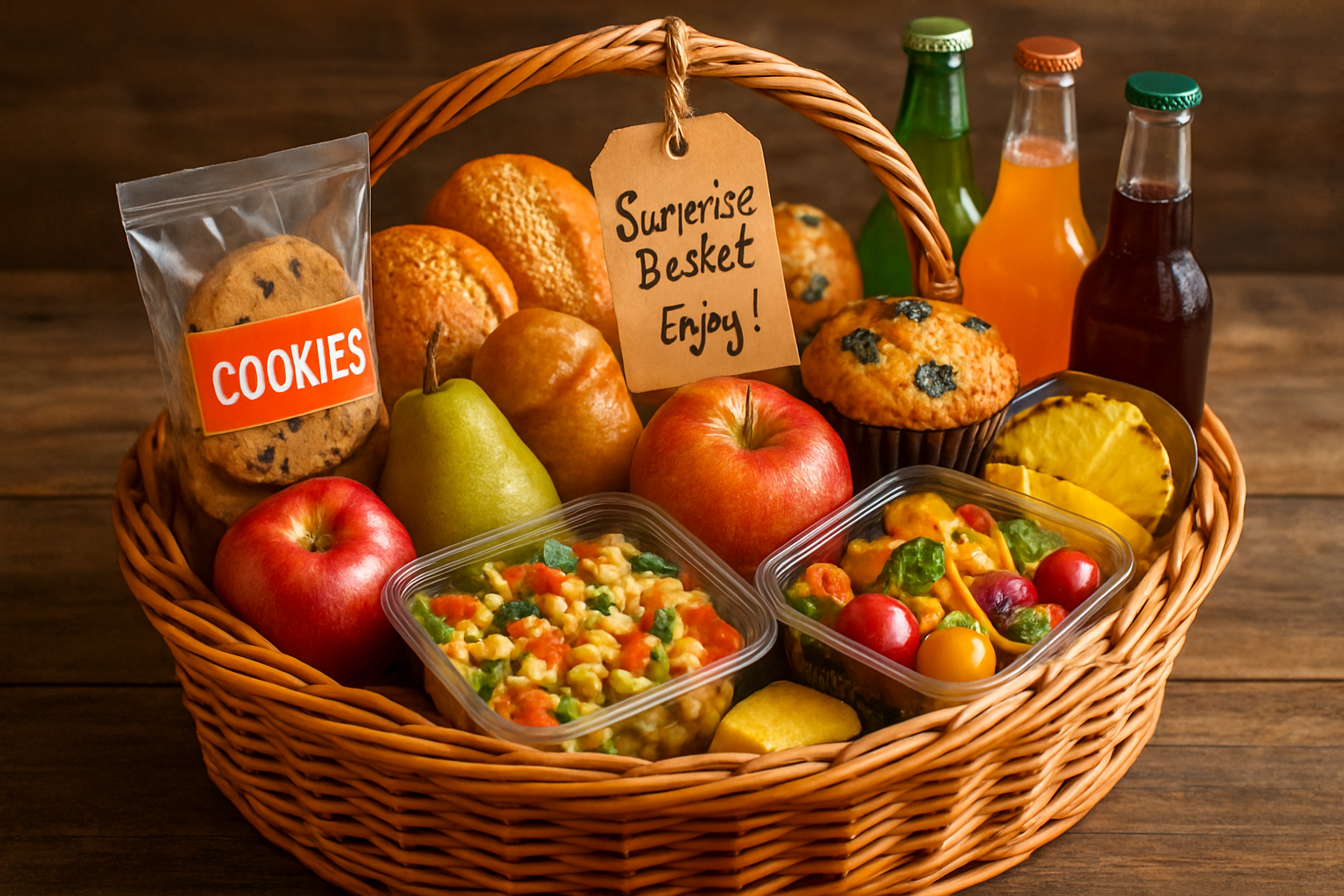
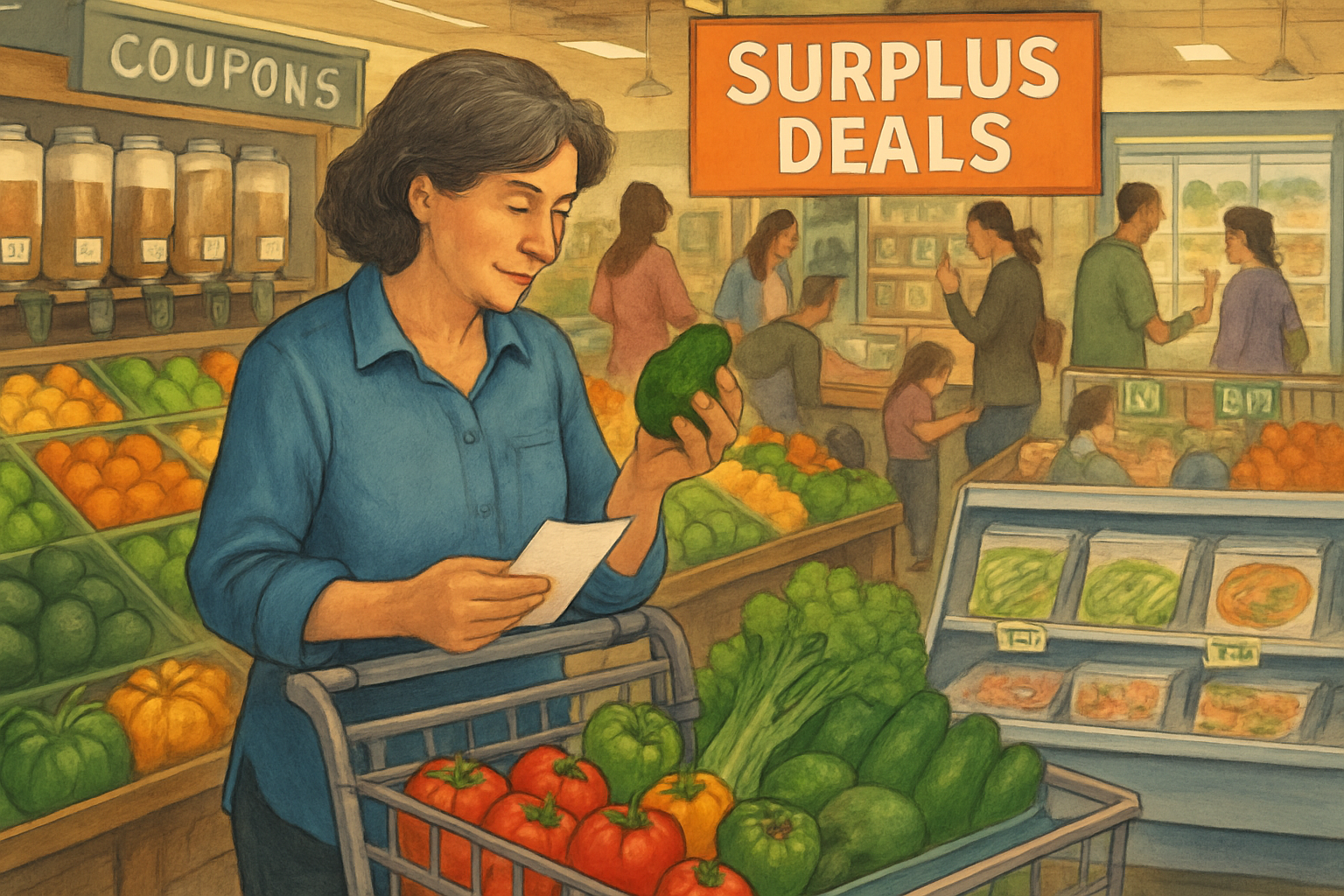
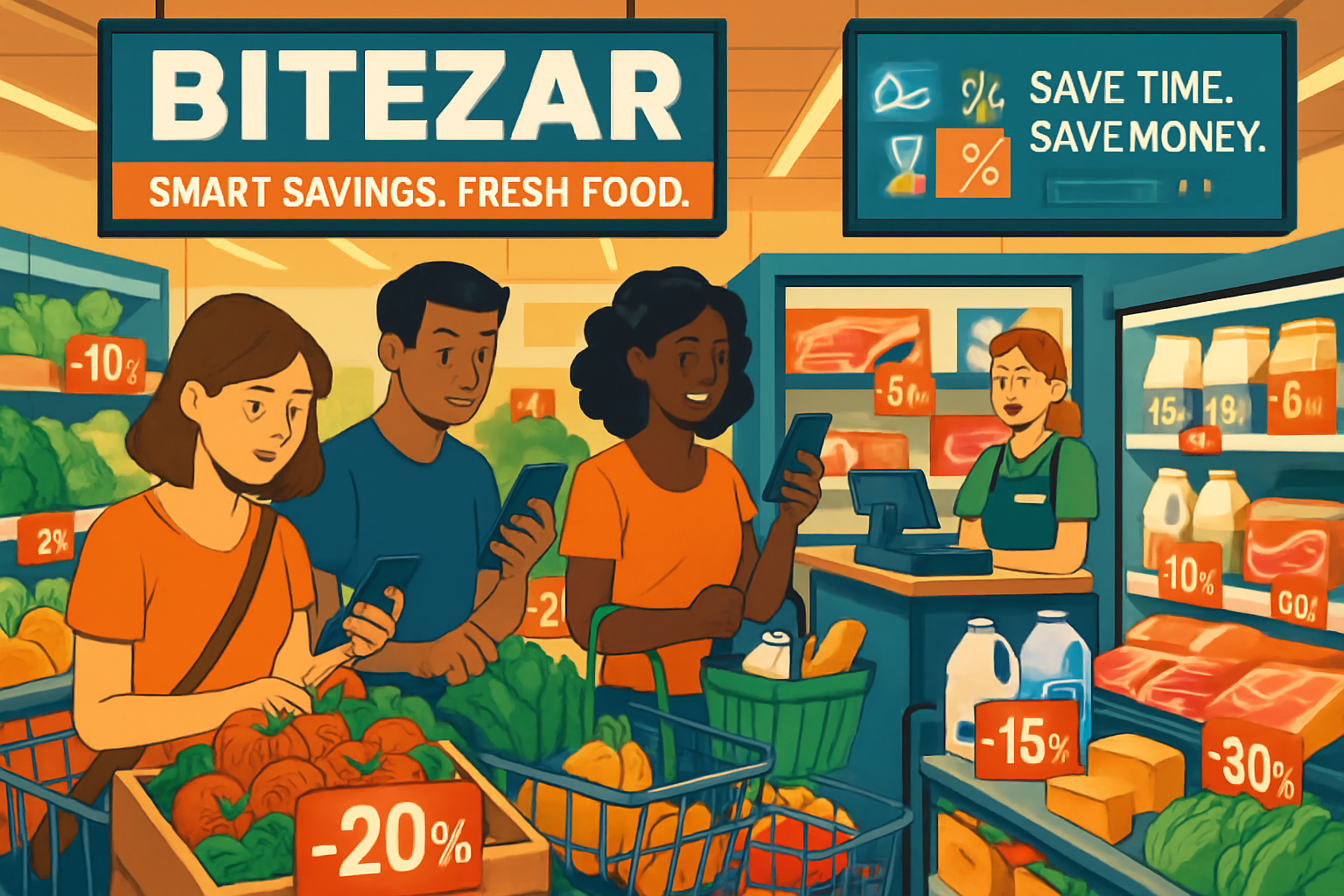
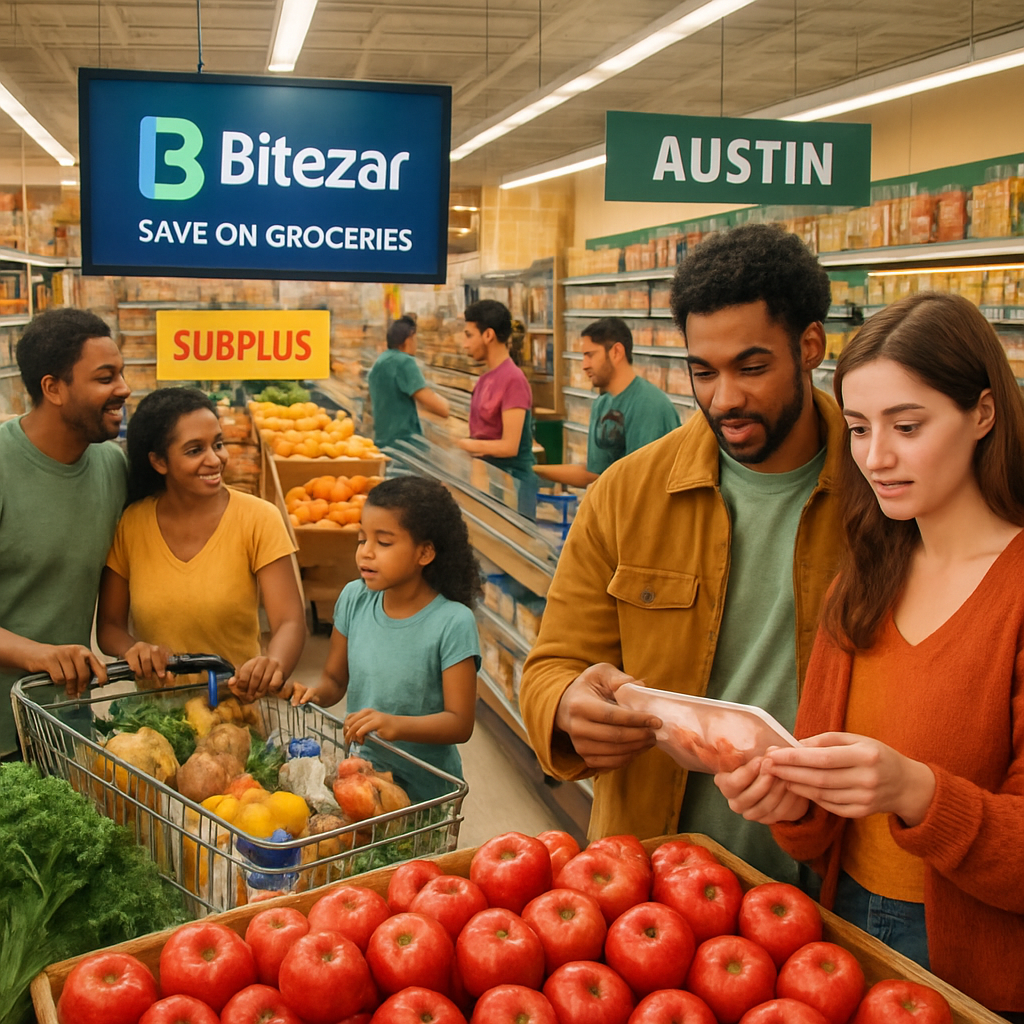
Bitezar is a local marketplace that partners with Austin grocery stores to sell their surplus food items at discounted prices. Shoppers can find everything from fresh produce and meat to pantry staples. All at lower prices than traditional retail.
Here’s how Bitezar makes a difference:
1. Save up to 70% on groceries
Bitezar lists discounted surplus food items from local grocery stores, meaning you get the same fresh products for a fraction of the price.
2. Support Austin’s local grocers
By partnering with neighborhood stores, Bitezar helps small businesses recover value from excess inventory instead of throwing it away.
3. Reduce food waste
Every discounted grocery purchase helps prevent perfectly good food from going to landfills, supporting a more sustainable Austin food system.
4. Free same-day delivery on orders over $15
We make grocery savings convenient with free same-day delivery in Austin on qualifying orders.
5. Easy, local, and affordable
Browse deals, fill your cart, and check out from your phone or computer, saving money without sacrificing quality or convenience.
A Smarter Way to Shop in Austin
With grocery prices climbing and food budgets tighter than ever, Bitezar helps Austinites get the groceries they need, for less. Whether you’re a student, family, or budget-conscious shopper, you can enjoy fresh food at discounted prices while supporting local businesses.
Start Saving Today
Austin deserves affordable, accessible groceries, and Bitezar is making that possible.
Download the Bitezar app or visit our website at www.bitezar.com to see local grocery deals in your area.
Together, we can save money, reduce waste, and make Austin’s food system more sustainable.